Choosing between a telehandler and a forklift is one of the most common equipment questions we get from site managers across NSW and QLD — and it’s an easy one to get wrong. Both machines move materials. Both show up in plant hire quotes. But they’re built for different jobs, and picking the wrong one usually means paying for capability you don’t need, or worse, not having the reach you do.
What a Forklift Does Best
A standard forklift is built for flat, predictable ground — warehouse floors, loading docks, hardstand areas. It lifts straight up, with limited forward reach, and it’s fast and manoeuvrable in tight spaces. If your job is moving palletised material around a yard or in and out of a warehouse, a forklift is usually the cheaper, simpler, more efficient choice.
What a Telehandler Does Best
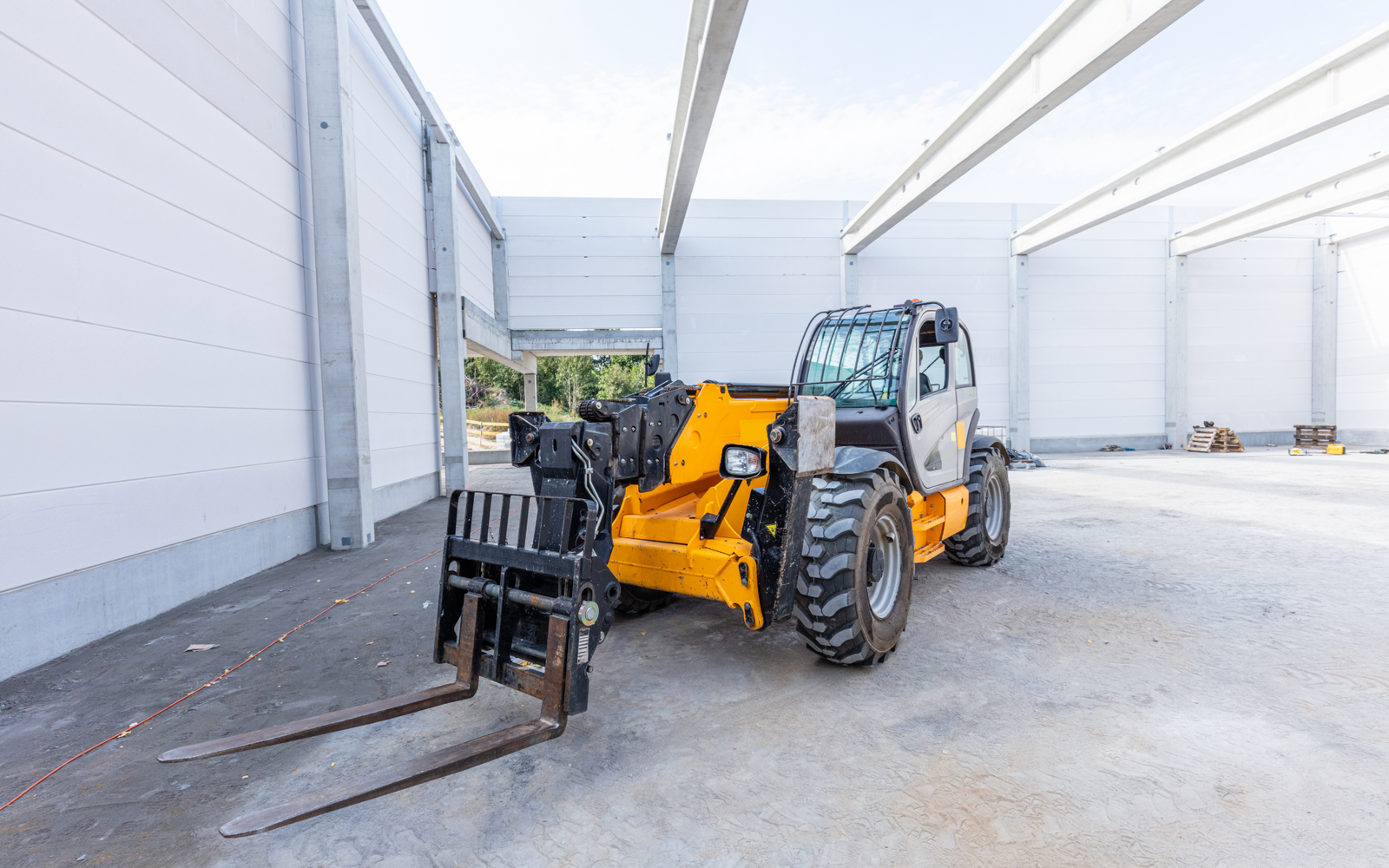
A telehandler (telescopic handler) trades some of that manoeuvrability for reach. The telescopic boom extends both outward and upward, which means it can place a load on a rooftop, reach over an obstacle, or work on uneven or sloped ground that would stop a forklift dead. On active construction sites — where the ground is rough and materials need to go up, not just across — a telehandler is usually the only real option.
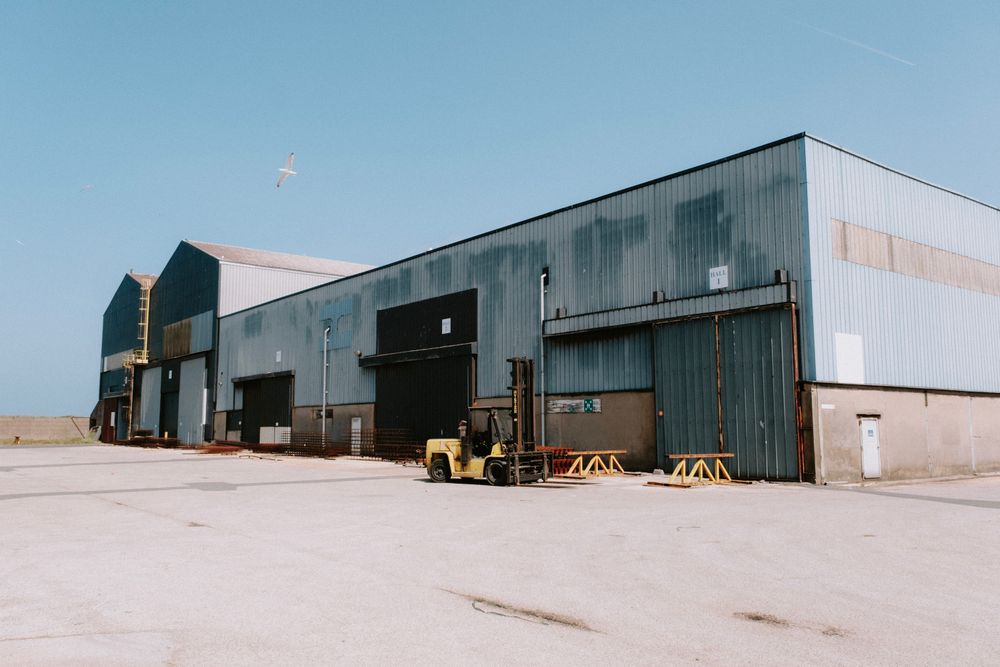
A telehandler’s telescopic boom extends up and out — reach a standard forklift can’t match.
Quick Decision Checklist
- Flat warehouse or yard floor, palletised loads → forklift
- Rough or sloped construction site terrain → telehandler
- Need to lift materials to height or over an obstacle → telehandler
- High-frequency, short-distance moves in a tight space → forklift
- Not sure yet, or the site changes week to week → ask us, we’ll match the machine to the job
“The most expensive equipment decision isn’t hiring the wrong machine for a week — it’s hiring the right machine too late, after the wrong one has already cost you days.”
The Short Version
If you’re still deciding, default to the site conditions rather than the task: flat and indoors leans forklift, rough and outdoors leans telehandler. Every job we quote at Tomlex starts with a quick conversation about ground conditions, reach, and load — not just what’s cheapest to hire for the day. That’s usually the fastest way to avoid paying twice